The Ones Who Stack the Reps

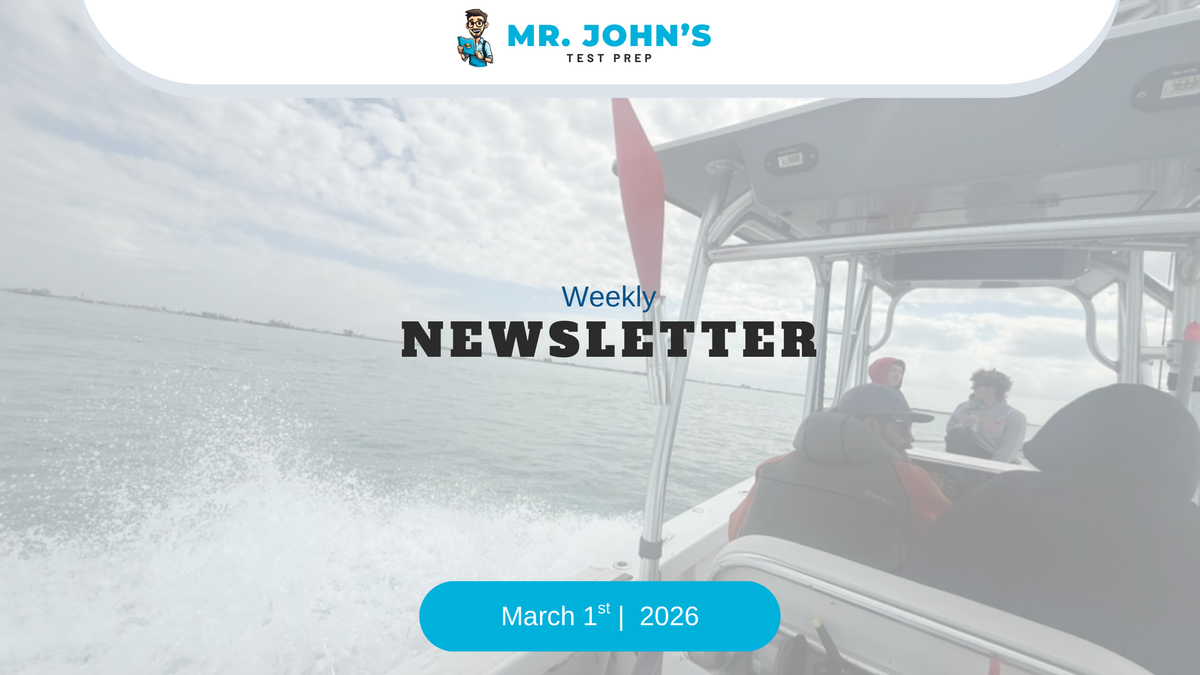
This was one of those weeks where the lesson plan wrote itself — not in a classroom, but on the water, in a gymnasium, and somewhere in between.
Intersession week is always a reset. The rhythms of school give way to something looser, more exploratory, and if you're lucky, something clicks that a textbook never could have delivered.
Wednesday kicked things off in the gymnasium with our annual Brotherhood event in tandem with the off campus girls' retreat. We didn't recruit outside speakers this year. Instead, we heard from some of our own teachers and coaches from different walks of life – a South African coach that grew up the son of a military officer, an art teacher who used to surf the biggest waves in Maui, and several others. They all landed on the same theme: the people we admire most got there by stacking reps and staying humble.
Not by talent alone. Not by a single breakthrough moment. By showing up, doing the work, and doing it again.
The great ones didn't arrive from some other planet — they came from relative obscurity and simply refused to stop putting in the work. One rep at a time, compounding over months and years, until the world started calling them "gifted" or, these days, "the goat."
It was a powerful day.
Then came Thursday and Friday: two days of learning experiences outside the classroom. I sponsored a guided fishing trip off Anna Maria Island with two of the best charter captains working out of Cortez, Florida — Jon Cannon and Logan Bystrom. With two boats running morning and afternoon shifts, we took twenty kids out on the water. By the end of the day, we'd pulled in nearly 200 fish. The captains sold much of the harvest to the local fishing village, anchored by the Star Fish Company — a storied little stretch of old Florida that feels like it belongs in another era.
The kids had a blast. I did too.
But here's what I couldn't stop thinking about: how did the guides know exactly where to put us on the fish?
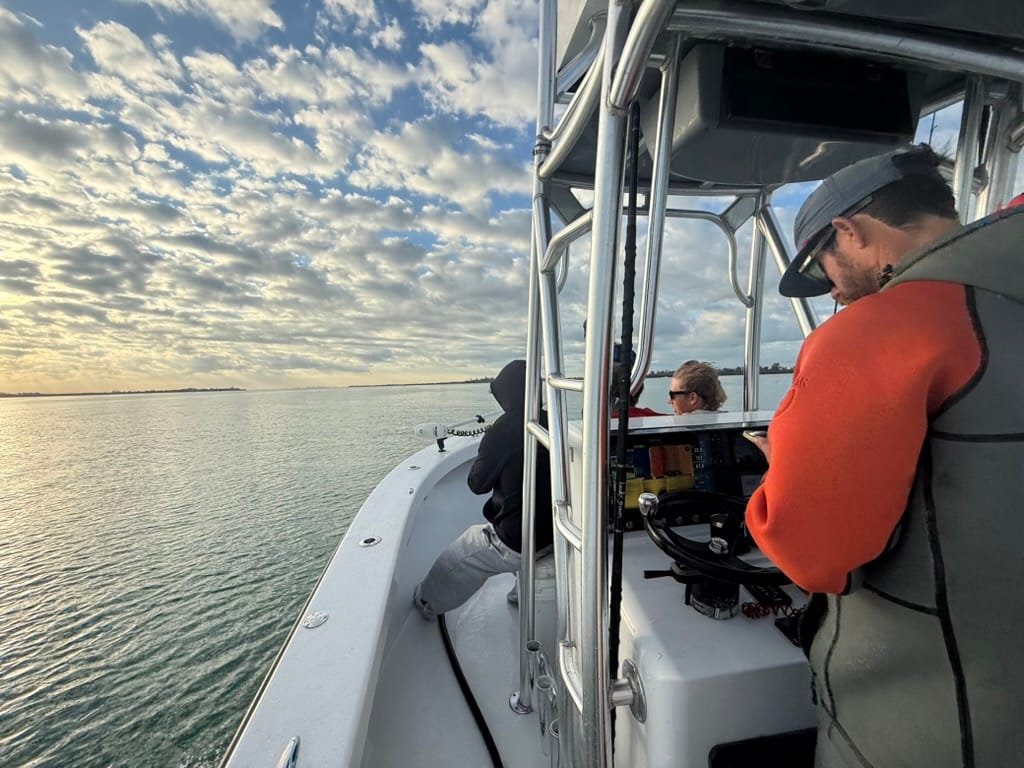
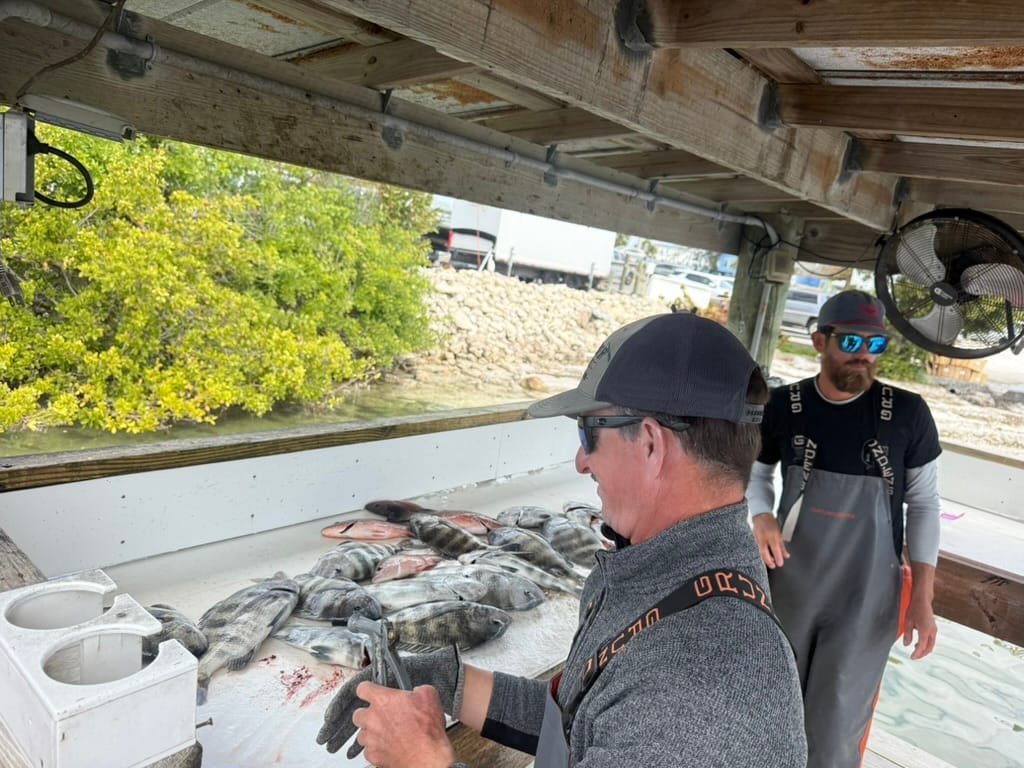
They knew the weather. They knew the time of year. They'd already been out earlier that week, reading the water, tracking the patterns. They didn't guess. They knew — not because they were born with some mystical connection to the Gulf, but because they'd grown up locally, watched others who came before them, and then put in the reps themselves. Thousands of days on the water, accumulating a kind of knowledge that no app or algorithm can replicate.
Sound familiar?
I kept hearing echoes of Wednesday's speeches out there on the boat. The captains weren't "natural-born fishermen" any more than the athletes and leaders our speakers described were natural-born champions. They just never stopped stacking the reps, waiting for their opportunity.
It reminded me of the art teacher's articulate story of how he fulfilled his dream of riding the biggest waves at Honolua Bay – a closely guarded stretch of beach by the locals (very, very large men), Maui's most prestigious wave, and considered sacred by many. Locals (kamaʻāina) are extremely protective of the lineup, which is often reserved for the island's best surfers. There is a significant unspoken hierarchy; if you are not recognized, your chances of catching a set wave are very low. It took him many months and years to humbly get to know the locals, show concern for their families, until one day, the biggest wave of his life and the best wave of the day came tracking in and the kamaʻāina (which translates to "child of the land" and describes long-term residents) yelled for him to take it.
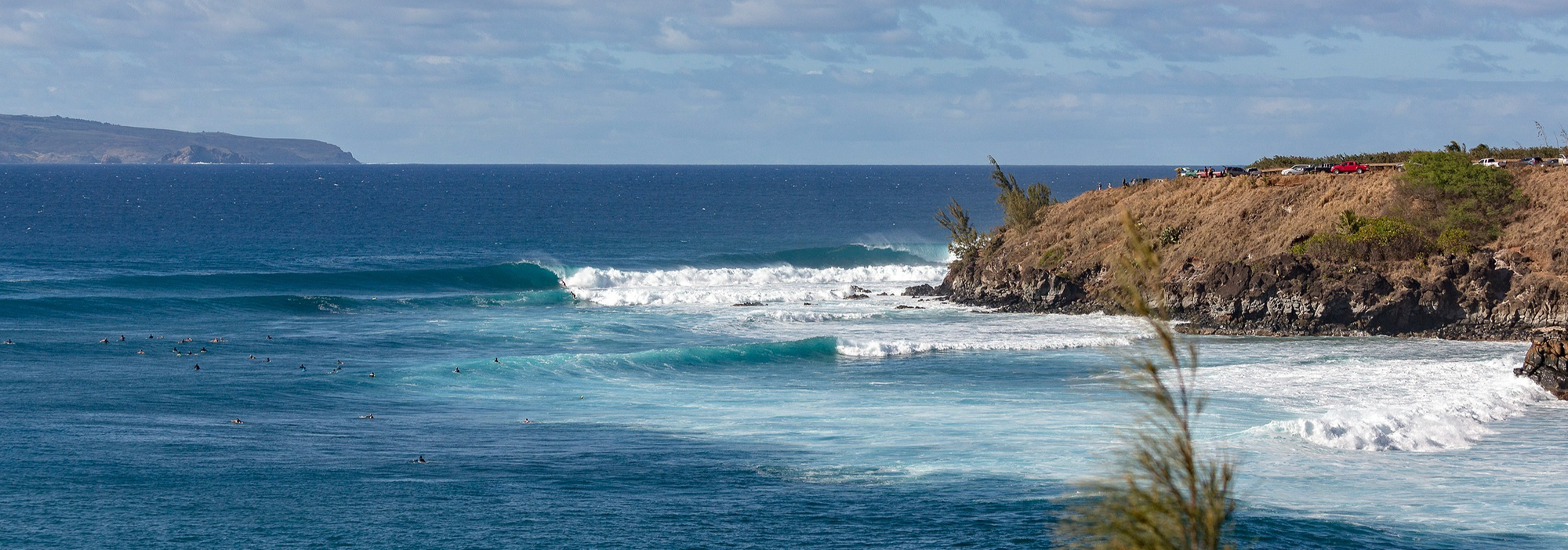
It was the ride of his life, and the fulfillment of a life-long dream for a boy from Virginia Beach.
I think this matters right now more than most of us realize.
Our feeds are filling up with predictions about AI — which jobs will disappear, which skills will become obsolete, what the future of work looks like for our kids. Some of it is worth paying attention to. A lot of it is noise designed to make us anxious.
But here's what I keep coming back to: the things that make Jon and Logan and the art teacher great at what they do are the same things AI can't touch. The intuition built from years of practice. The discipline of showing up when it's cold and the bite isn't on. The joy — real, hard-won joy — that comes from mastering something through your own effort.
That's a human story. It always has been.
As our students navigate a world that's changing fast, the most future-proof thing they can develop isn't a skill set that matches the latest technology. It's the habit of consistent, focused effort. It's learning to overcome their own limitations — whatever challenge sits in front of them — and discovering the beauty in that process. That beauty is what sets us apart. It's what makes the work meaningful, not just productive.
AI will do a lot of things well. But it will never know what it feels like to pull a fish out of the Gulf because you finally learned to read the water. It will never understand the thrill of riding a sacred wave in Honolua Bay and earning the respect of the locals who guard it. It will never understand the quiet pride of a student who drills vocabulary until the words stop being foreign and start being theirs.
That's the stuff that matters.
Keep stacking the reps. Take joy in the process. The rest takes care of itself.
-Mr. John